
We earn commissions from links on our site, enabling us to deliver independent reviews. See our editorial policy.
I’ve dedicated the last six years of my life to electric scooters. Not reading spec sheets. Riding them.
Every scooter here goes through over 30 performance and durability tests. I run three range tests at different speeds, measure acceleration and top speed, see how it handles real-world hills under load, and measure braking from 15 mph to a full stop.
Why does that matter? Because manufacturer specs are unreliable. Claimed range is often 40–60% higher than what you’ll actually get, and two scooters with identical specs on paper can feel completely different on the road. Every pick below earned its spot through long-term testing alone.
There’s no single “best” electric scooter. What matters is what’s best for how you ride, what you need, and what you’re willing to spend. That’s how this guide is built.
Top Picks at a Glance
Navee GT3 Pro
Best overall (budget) | 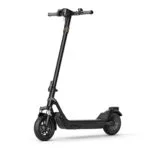
NIU KQi 100F
Best compact (budget) | 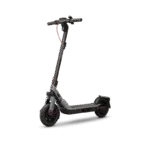
Segway Ninebot E3 Pro
Most reliable (budget) | 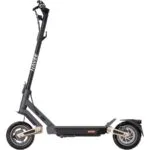
Navee ST3 Pro
Best value commuter | 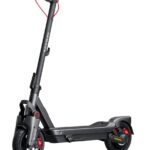
Segway Ninebot Max G3
Best ride quality | 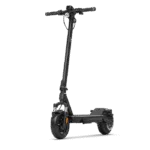
Vmax VX2 Hub (18.2Ah)
Best range & performance | 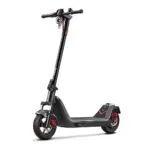
NIU KQi 300X
Best balanced commuter | 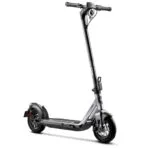
NIU KQi Air
Best ultralight | 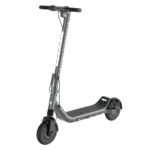
Apollo Go
Most capable lightweight | 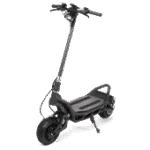
Nami Burn-E 2 Max
Best street hyperscooter | 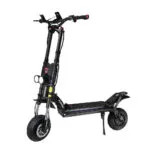
Kaabo King GTR
Best off-road hyperscooter | |
|---|---|---|---|---|---|---|---|---|---|---|---|
Top Speed (Tested)
| 20.6 mph | 17.4 mph | 19.3 mph | 24.8 mph | 28 mph | 33.5 mph | 23.6 mph | 20.1 mph | 26.7 mph | 61.2 mph | 66 mph |
Motor Power
| 400 W | 300 W | 400 W | 600 W | 850 W | 500 W | 500 W | 350 W | 700 W | 3000 W | 4000 W |
Range (Tested)
| 23.3 mi | 11.4 mi | 17.2 mi | 24.9 mi | 24.9 mi | 35.6 mi | 26.8 mi | 24.2 mi | 19.8 mi | 59.8 mi | 48.2 mi |
Battery Capacity
| 477.4 Wh | 243 Wh | 368 Wh | 596.7 Wh | 597 Wh | 874 Wh | 608 Wh | 451.2 Wh | 540 Wh | 2880 Wh | 2419 Wh |
Weight
| 48.5 lbs | 38.8 lbs | 40.1 lbs | 55 lbs | 54.2 lbs | 57.1 lbs | 48.7 lbs | 26.4 lbs | 46 lbs | 103 lbs | 137 lbs |
| Price | — |
We test every ride
Independent reviews, buying advice and the real test data behind them. Straight to your inbox.
Join 2,000+ riders


Best Budget/Beginner Scooters
Navee GT3 Pro
Best Overall Budget Scooter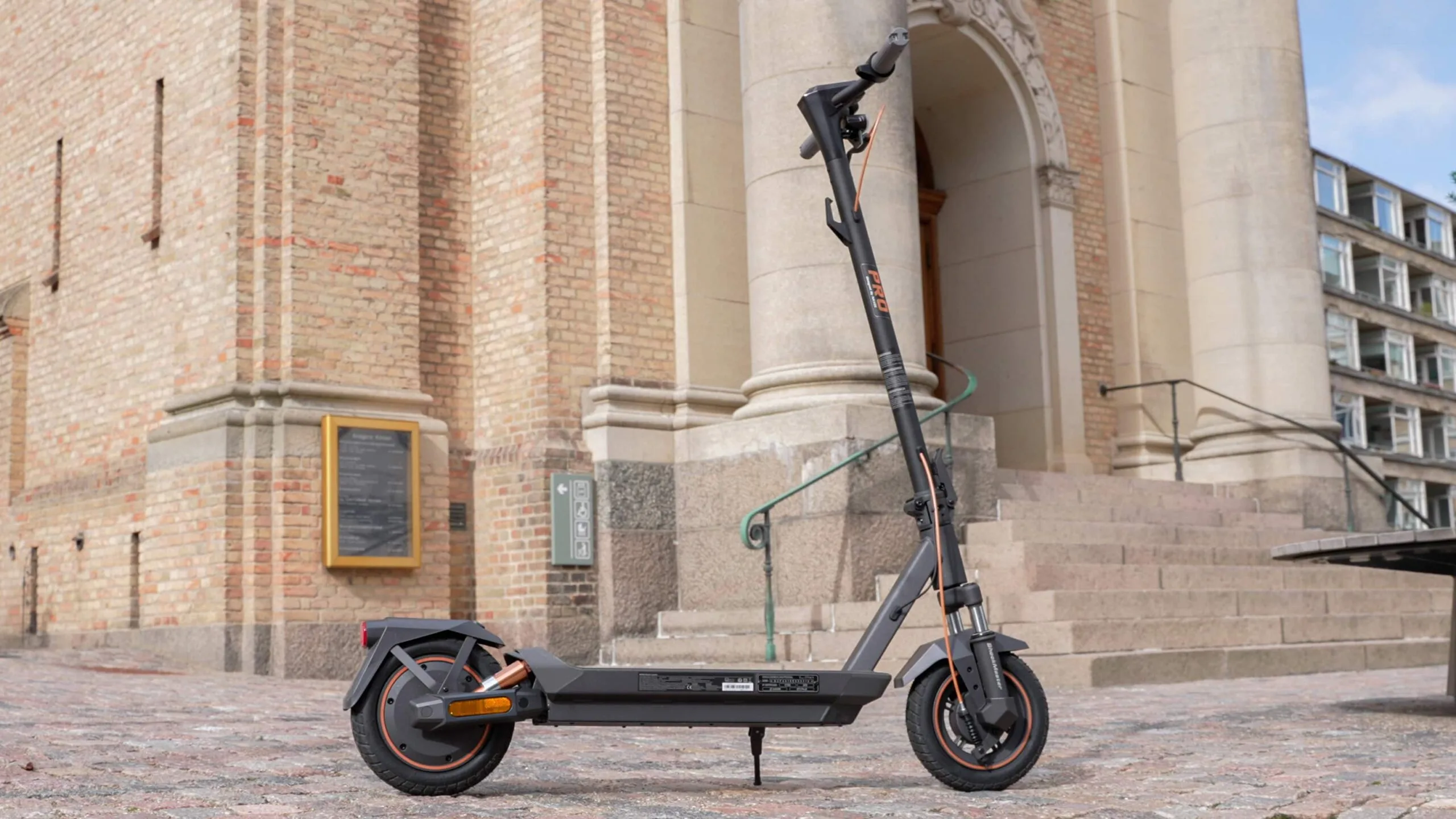
What I like
- Best dual suspension setup at its price
- 10" tubeless tires
- 48V system performs strongly even at low battery
- 23.3-mile real-world range (best in class)
- Turn signals, GPS tracking, IPX5
- Rock-solid build quality after 200+ test miles
- Spacious deck and handlebars for larger riders
What I don't like
- Heaviest of these three at 48.5 lbs
- No foldable handlebars
- Display is hard to read in direct sun
The GT3 Pro is the best budget scooter I’ve tested to date. Dual suspension, 10-inch tubeless tires, and a 48V system at this price point still feels like a pricing error. Most scooters don’t get this hardware until the $800+ range.
The 48V system is what separates it from cheaper alternatives. Scooters running 36V lose noticeable power as the battery drops below 50%. The GT3 Pro doesn’t. It held 20.6 mph in my speed tests, hit 23.3 miles of real-world range, and accelerated to 15 mph in 5.35 seconds, which is nearly 2.5 seconds faster than the Segway E3 Pro. On hills, the difference is even more obvious. The GT3 Pro powered through my steepest 17% test grade where the E3 Pro and 100F failed entirely.
And the ride quality punches way above its price. The front fork and rear spring are tuned to perfection. Neither bottoms out while the other barely moves. That sounds basic, but it’s surprisingly rare at this price. The result is a scooter that feels stable, spacious, and genuinely comfortable over rough patches.
The tradeoff is size. At 48.5 lbs with no foldable handlebars, it’s heavy for a budget scooter. Most in this price range weigh 10–15 lbs less. If portability matters most to you, look at the other two picks below. But if you want the best ride for the money, nothing else at this price is close.
NIU KQi 100F
Best Compact Budget Scooter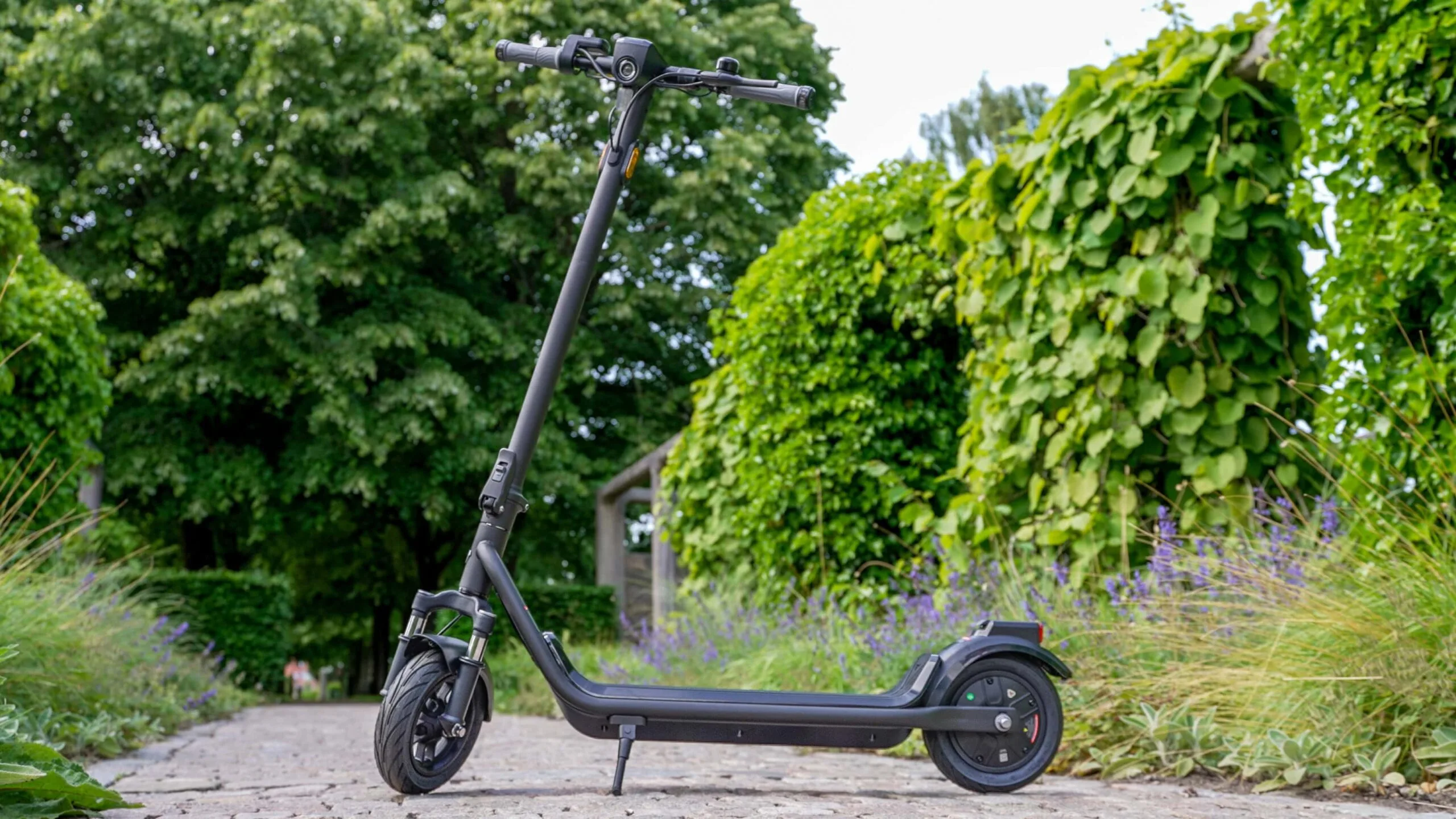
What I like
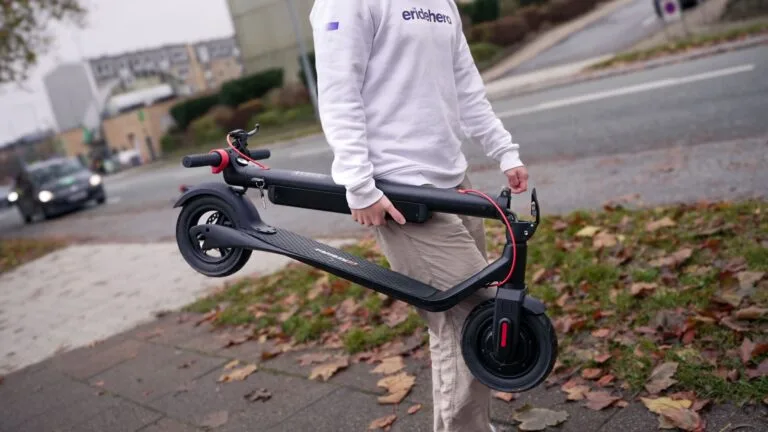
- Foldable handlebars (genuinely compact when folded)
- Very light and portable
- 48V system
- Comfy front suspension
- Turn signals
- Rock-solid build quality
- Low center of gravity for stable steering
- Often on sale
What I don't like
- Limited range (11.4 miles tested)
- Struggles on hills
- Tubed tire (tubeless is better)
- Display hard to read in direct sunlight
The 100F is my budget pick for riders who need to carry their scooter. The foldable handlebars are the key feature here. Folded down, this thing actually fits under a desk, in a packed subway, or in a car trunk without a fight. Most foldable handlebar designs I’ve tested are wobbly or loosen from vibrations. NIU’s doesn’t. After hundreds of test miles, these are genuinely the best foldable handlebars I’ve tried.
The performance is modest but decent for the price point. 17.4 mph top speed, 11.4 miles of real-world range, 7.2 seconds to 15 mph. But the 48V system means that power stays consistent all the way through the battery, unlike 36V scooters that start dragging below half charge. If your commute is under 10 miles each way, you charge at work and you’re looking at 20+ miles of daily range potential.
NIU packed a lot into a small frame. Front spring suspension, 9.5-inch pneumatic tires, turn signals, and a low deck with a low center of gravity that makes the scooter feel planted and easy to steer. It’s not going to match the GT3 Pro’s dual suspension, but for a scooter this light, the ride is genuinely good. Wide handlebars help too.
The 100F falls short on hills. It failed my 17% hill test and generally slows down above 10% from the limited motor power. If you’ve got a hilly commute, the GT3 Pro will handle it better. But for flat-to-moderate commutes where you need a scooter that disappears when you’re not riding, the 100F is the best option here. It also goes on sale regularly, which makes an already affordable scooter even easier to justify. It’s typically the cheapest scooter in this guide.
Segway Ninebot E3 Pro
Most Reliable Budget Scooter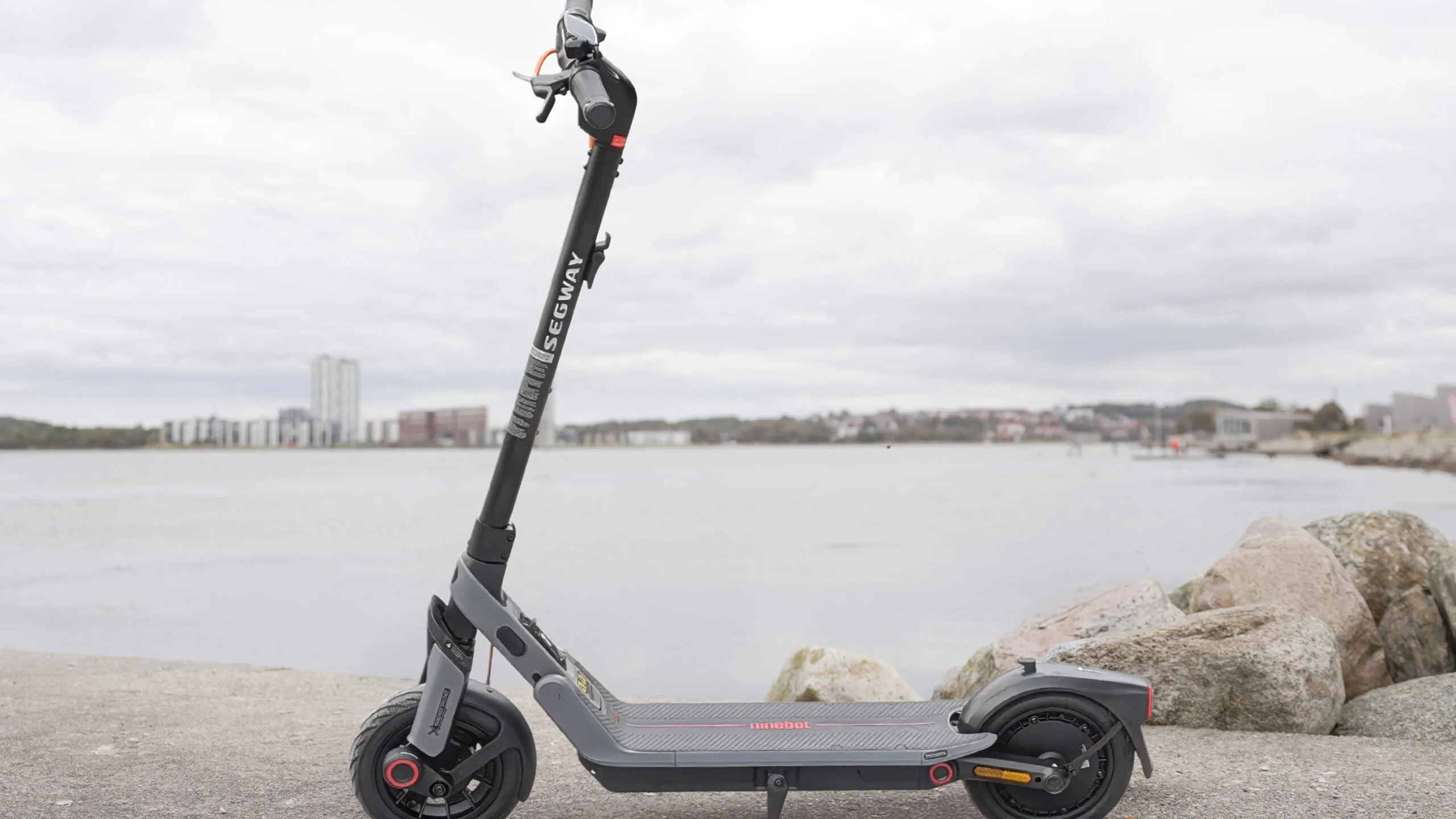
What I like
- Segway build quality and proven track record
- Best Wh/lb ratio of these three (efficient range for its weight)
- Industry-leading app with good customization
- 10" tubeless tires, low-maintenance design throughout
- Zero-start, cruise control, OTA updates
- Rubber dampening front and rear
- IPX5 water resistance
What I don't like
- 36V system, loses top-end performance
- Long braking distance (16.5 ft)
- Failed my steepest 17% hill test
- Rubber suspension less plush than GT3 Pro
The E3 Pro is the scooter I recommend when someone wants a reliable first scooter and doesn’t want to think about maintenance or troubleshooting. Segway has been building scooters longer than almost anyone, and you feel it in the details. The folding mechanism, cable routing, fit and finish. Everything is thought through.
Performance sits between the other two. I clocked 19.3 mph and 17.2 miles of real-world range at 40.1 lbs, meaning it has the best range-to-weight ratio of these three scooters at 0.43 mi/lb. The 10-inch tubeless tires and dual rubber dampening keep the ride smooth without adding the weight and complexity of a spring setup. Build quality is typical Segway. Everything feels tight and durable, and their track record is second to none in the industry, especially with their new-gen scooters.
The Segway app is a highlight for me. It’s joint-best in the industry alongside NIU and arguably edges it. Cruise control, zero-start, acceleration and brake curve adjustments, OTA updates, detailed ride stats. For a first-time scooter owner, the Segway ecosystem genuinely makes the experience better.
Two things to be honest about. The E3 Pro runs a 36V system, not the 48V on the GT3 Pro and 100F. You will notice power dropping off as the battery gets lower. Segway’s power management handles it better than most 36V competitors, but it’s there. And hill performance is the weakest of the three. It managed my 8% test grade at 6.9 mph but failed my steepest 17% grade entirely. If your commute has serious climbs, the GT3 Pro is the better pick.
The E3 Pro doesn’t win on any single spec. But it wins as a total package with great build quality, design maturity, app ecosystem, and the confidence that ride 500 will feel exactly like ride 1.
Best Commuting Scooters
Navee ST3 Pro
Best Value Commuter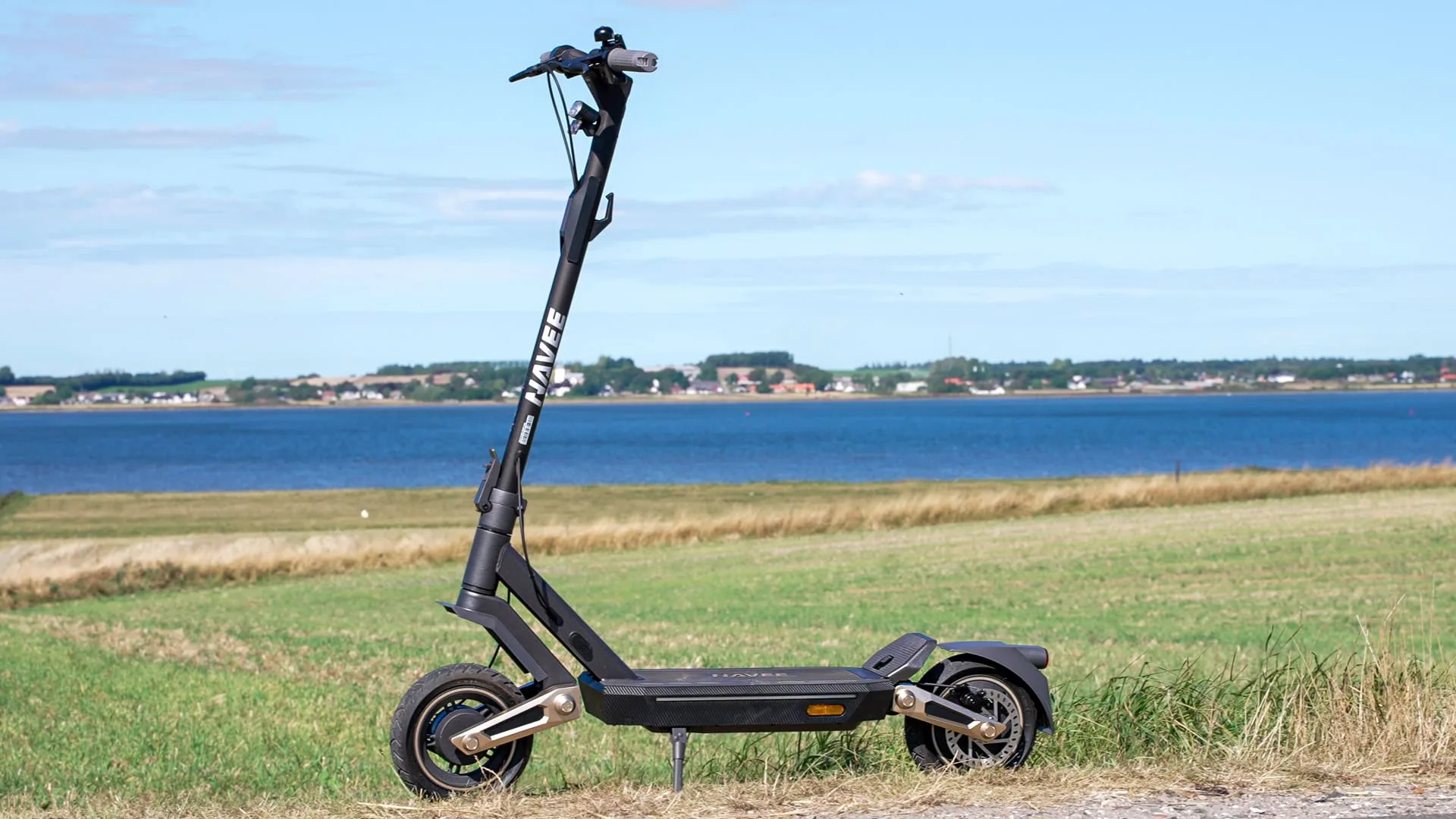
What I like
- Best bang for buck in the commuter class
- Dual suspension tuned beautifully
- Self-healing tubeless tires
- Super consistent 48V system
- Turn signals, GPS tracking, IPX5
- Drum + disc brake combo (low maintenance)
- Wide deck and handlebars
What I don't like
- Heavy at 55 lbs
The ST3 Pro is hands down the best value in the commuter segment. It’s an extremely capable and versatile scooter with a ride quality that feels like it should cost significantly more. The dual suspension is perfectly tuned so one spring arm doesn’t overpower the other, and it’s geared for heavy use, with self-healing 10-inch tubeless tires out of the box.
I measured a top speed of 24.8 mph and got 24.9 miles of real-world range. Acceleration to 15 mph took 4.0 seconds, and it climbed a 17% hill with plenty of performance headroom. The 48V system keeps performance consistent through the full battery cycle. Braking came in at 11.5 feet with the drum-and-disc combo, which is a great balance of stopping power and low maintenance.
The ride quality comes close to the Max G3, which costs notably more. For most riders, the difference isn’t worth the price gap. The ST3 Pro is comfortable enough for long commutes, fast enough to keep up with traffic, and durable enough that you won’t have to fiddle with maintenance.
At 55 lbs, it’s not a scooter you want to carry. If weight matters, the KQi 300X is an affordable alternative that saves about 6 lbs. But if you want the most comfortable, capable ride for the money in this class, the ST3 Pro is the answer.
Segway Ninebot Max G3
Best Ride Quality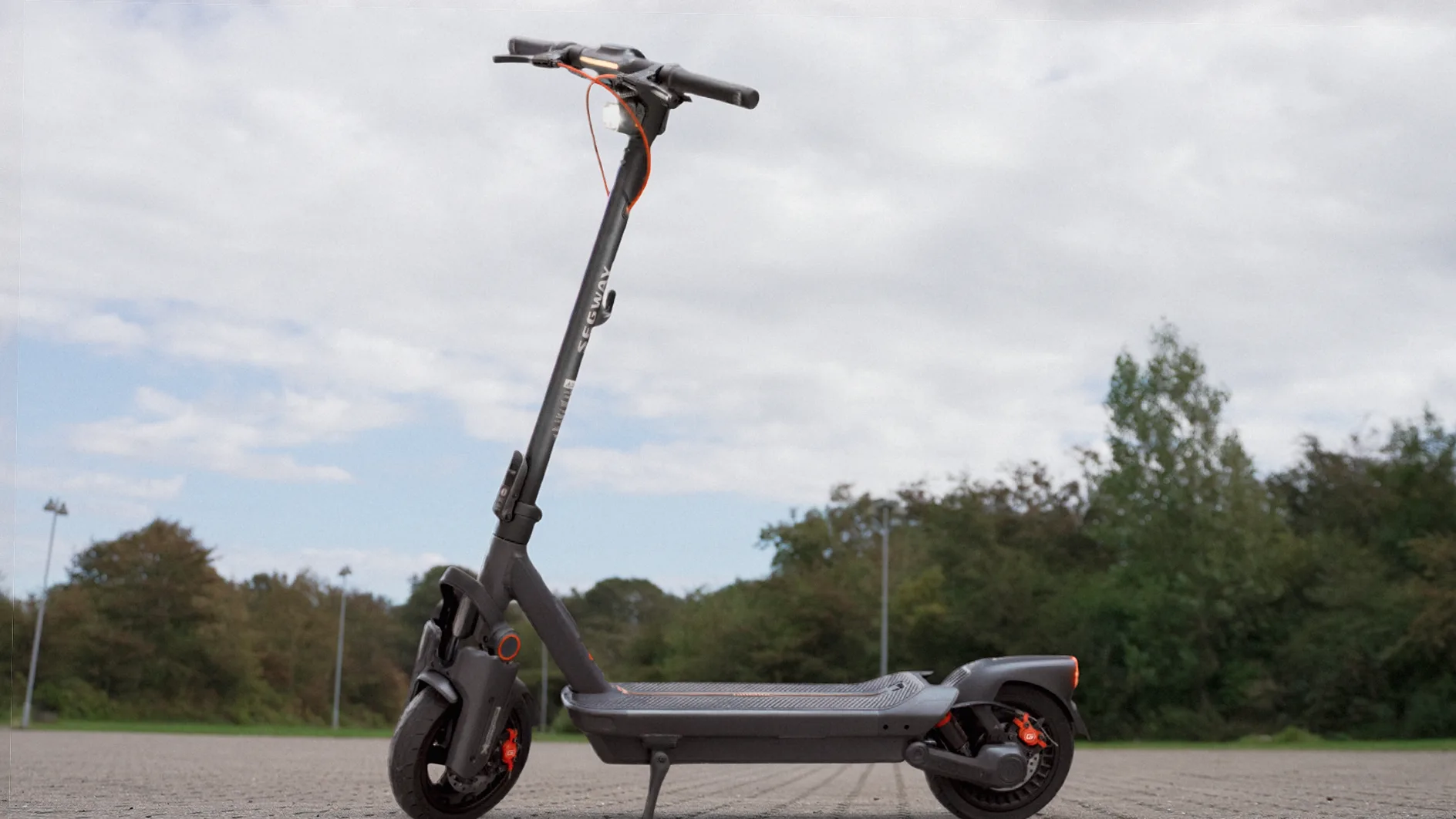
What I like
- Best suspension in the commuter class (dual hydraulic, adjustable)
- 11" self-healing tubeless tires
- Extremely stable, refined steering
- 286 lb rider capacity
- IPX6 water resistance (best here)
What I don't like
- Pricier than the ST3 Pro and 300X
- Range could be better
- Heavy and bulky, not for carrying
The Max G3 is the best-riding commuter scooter I’ve tested aside from hyperscooters. The dual-hydraulic adjustable suspension, paired with 11-inch self-healing tubeless tires, creates a ride that’s unmatchably plush and composed. It soaks up rough roads that shake cheaper setups to the core, and the steering feels planted and precise even at its 28 mph top speed. This is where Segway’s engineering experience really shows.
Performance is a clear step above the ST3 Pro and KQi 300X. I recorded a 28 mph top speed and 3.5 seconds to 15 mph, which is noticeably quicker than both. Of my commuter picks, only the VX2 Pro Hub is faster, but that’s a different price bracket. Hill climbing at 16.2 mph on my test grade was strong, and braking at 10.8 feet is excellent, backed by dual mechanical disc brakes and regen.
The catch is that all this heavy-duty hardware uses more power. Despite a 597 Wh battery nearly identical to the ST3 Pro’s, the range is the same 24.9 miles. The VX2 Pro Hub stretches 35.6 miles from a bigger battery. The Max G3 is also usually priced above the ST3 Pro and 300X, and at 54.2 lbs with a bulky frame, portability is not its thing.
But if your commute is under 20 miles round-trip and you want the most refined, comfortable ride in this price tier, the Max G3 is worth the premium. It’s an absolute tank, built to last for years.
Vmax VX2 Hub (18.2Ah)
Best Range & Performance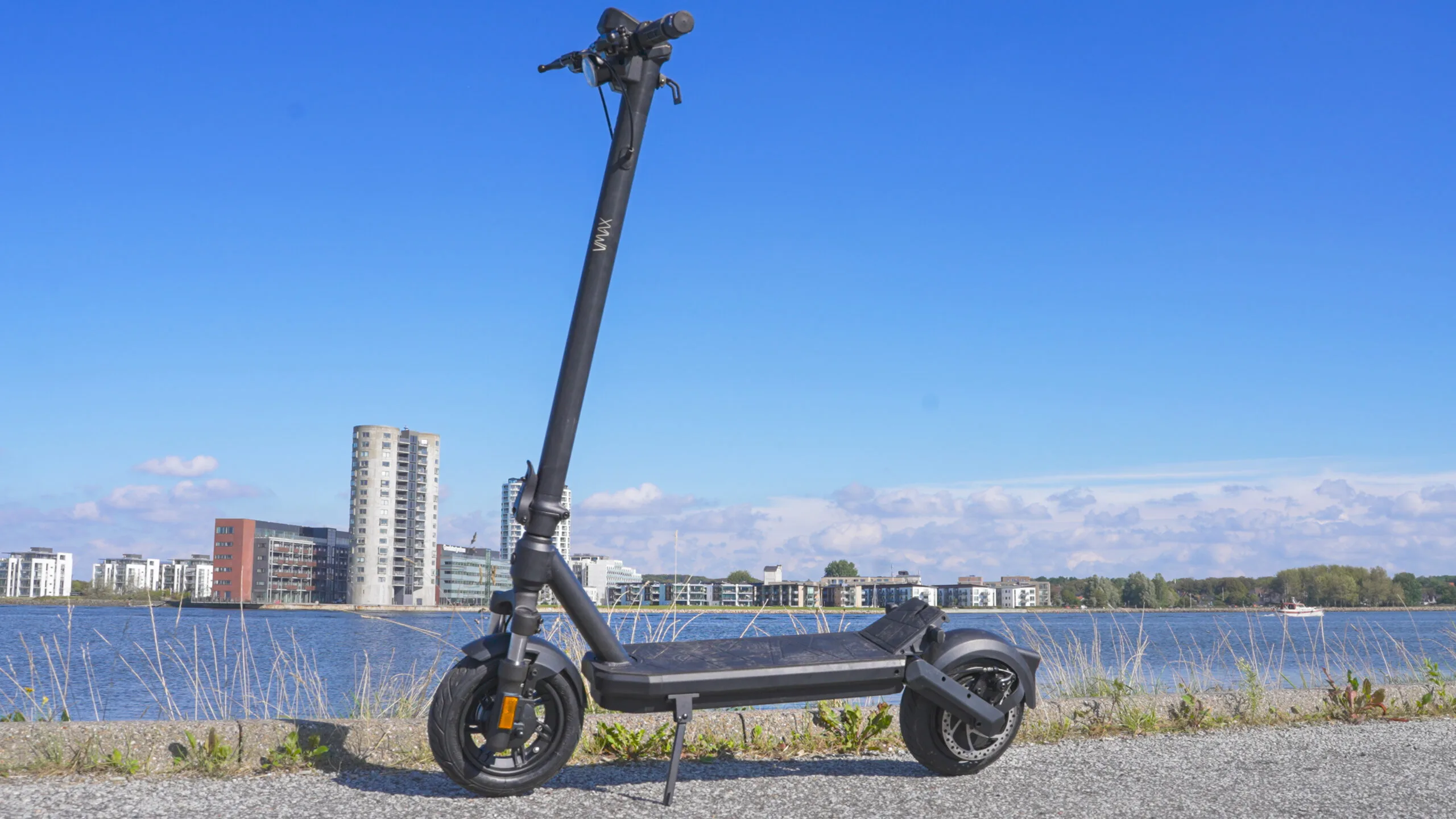
What I like
- Best range in the commuter class (35.6 miles tested)
- Fastest here at 33.5 mph
- Strongest acceleration (2.9s to 15 mph)
- 48V / 874 Wh battery
- IPX6 water resistance
- Turn signals, 287 lb max load
- Comfortable dual suspension
What I don't like
- Heaviest at 57.1 lbs
- Very basic app
- Narrower handlebars than others (21.2")
The VX2 Pro Hub occupies a unique spot in the commuter market. While the major brands are trending toward beefier motors/builds with the same battery sizes, Vmax went the other direction: big battery, serious range. The 874 Wh pack delivered 35.6 miles of real-world range in my tests, over 10 miles more than anything else in this section.
It’s also the fastest and quickest scooter here. I recorded 33.5 mph and 2.9 seconds to 15 mph. That 1900W peak power makes itself felt on hills too, climbing my test grade at 17 mph. Those are seriously strong numbers for a single-motor scooter.
Comfort is on par with the ST3 Pro thanks to the front hydraulic and rear rubber suspension. Not quite at the Max G3’s level, but still really good for daily commuting. Tubeless tires, turn signals, IPX6 water resistance, and a 287 lb rider capacity round out a solid package.
The weight is the main downside. At 57.1 lbs, this is the heaviest commuter here, and the extra weight comes from that massive battery. The dollar-per-spec ratio isn’t as strong as the ST3 Pro either. But if your commute is long, or you just hate charging frequently, the VX2 Pro Hub solves that problem better than anything else at this tier.
NIU KQi 300X
Best Balanced Commuter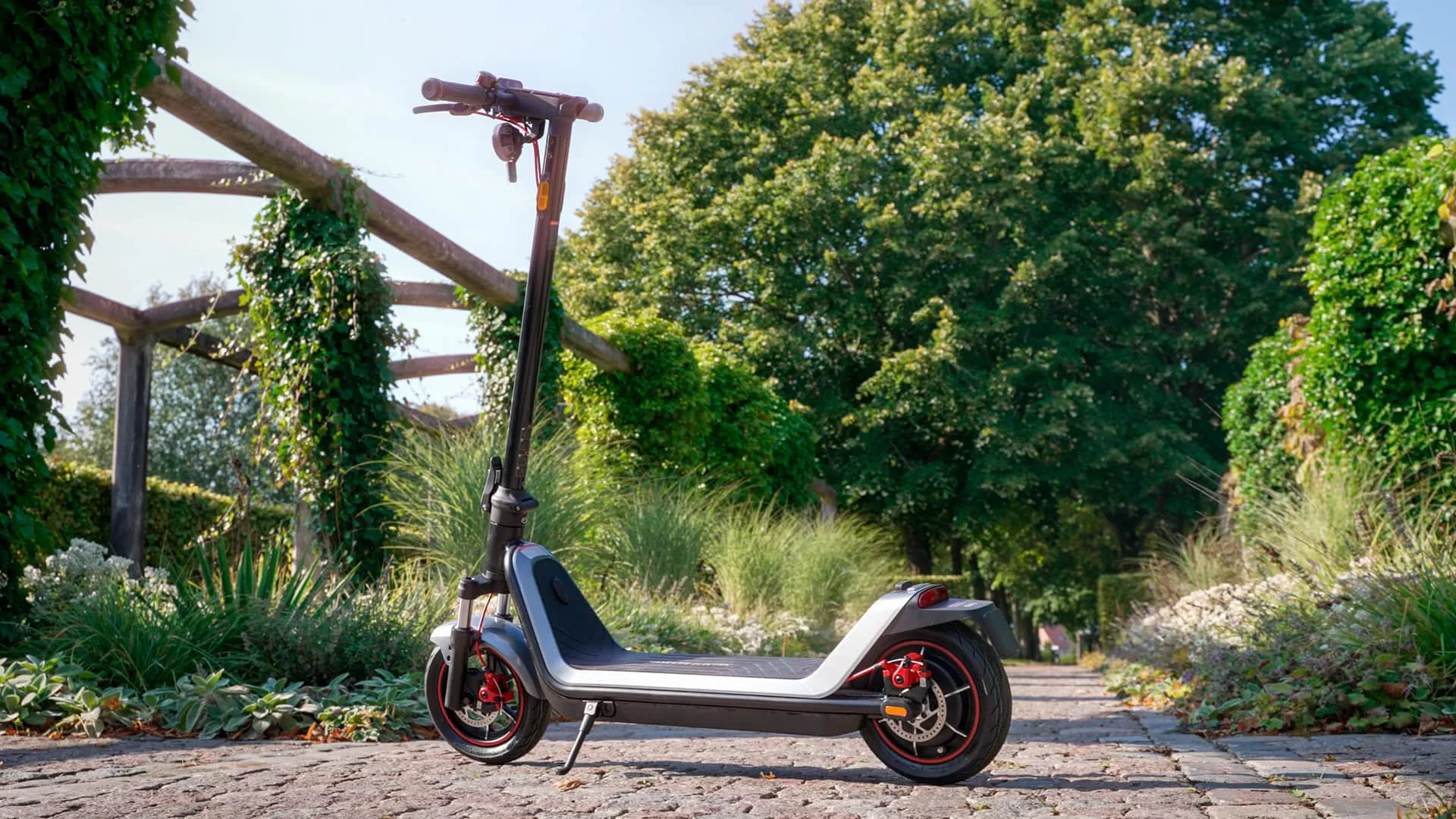
What I like
- Strong balance of range, speed, comfort, and weight
- Best folding mechanism I've tested
- 10.5" self-healing tubeless tires
- Built like a tank
- Dual hydraulic disc brakes
- Excellent NIU app ecosystem
- Typically the most affordable in this group
What I don't like
- Front-only suspension (less plush than dual setups)
- Disc brakes need occasional adjustment
- No GPS tracking
The KQi 300X is the commuter that doesn’t go to extremes. It’s not the fastest, longest-range, or most comfortable here. What it does is deliver strong performance across every category, without any serious weaknesses.
I recorded 23.6 mph, 26.8 miles of real-world range, and 3.8 seconds to 15 mph. That range actually beats the ST3 Pro and Max G3, and the 608 Wh battery does it at 48.7 lbs, making this the lightest scooter in the commuter section. The slightly larger 10.5-inch self-healing tubeless tires help with comfort, and the dual hydraulic disc brakes stopped in 10.7 feet, the shortest distance here.
The front-only hydraulic suspension is where it gives ground to the others. It handles road imperfections well, and the oversized tires help absorb a lot, but you’ll feel more vibrations on rough pavement than you would on the ST3 Pro or Max G3 with their dual setups. Comfortable, just not plush.
Build quality is typical NIU: excellent. The folding mechanism is the best I’ve tested in any scooter. The app gives you the same deep customization as the 100F, including cruise control, acceleration curves, brake adjustments, and zero-start. And the KQi 300X is typically the most affordable option in this group, making it truly great value for money.
If you want a reliable daily commuter that does everything well and comes from a brand with an excellent track record, the 300X is the safe, smart pick.
Best Lightweight Scooters
NIU KQi Air
Best Ultralight Commuter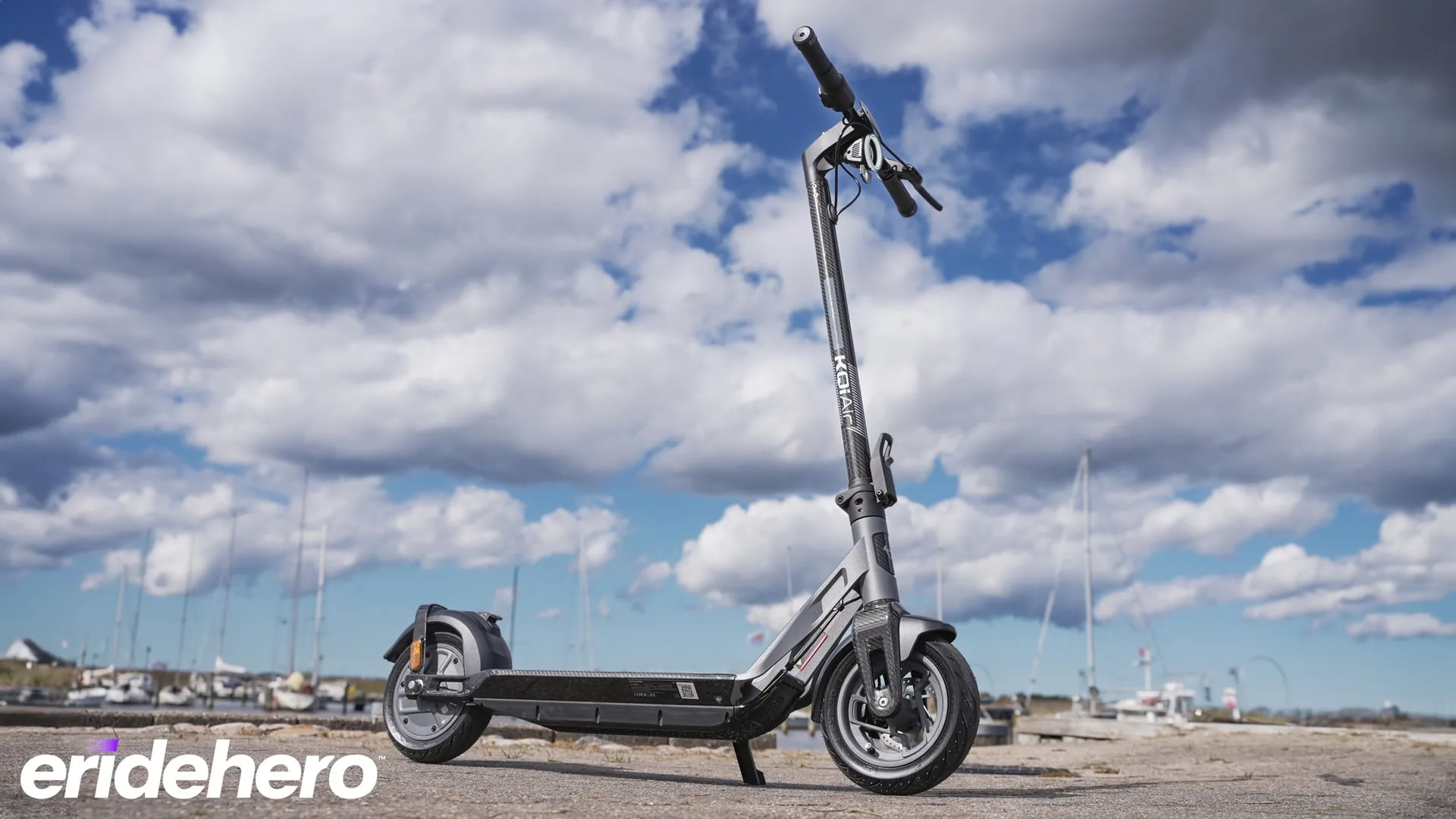
What I like
- 26.4 lbs (carbon fiber frame)
- Best range-to-weight ratio I've ever tested (0.92 miles/lb)
- 9.5" tubeless self-healing tires (rides like a full-size scooter)
- Wide deck and handlebars for stability
- 48V system for performance retention
- Turn signals, IP55, electronic horn
- Excellent NIU app ecosystem
What I don't like
- Expensive for the spec sheet
- Handlebars don't fold (larger folded footprint)
- No suspension
- Display could be brighter
The KQi Air redefines what an ultralight scooter can be. At 26.4 lbs, it’s practically half the weight of most commuter scooters, but it doesn’t ride like a big compromise. That’s the carbon fiber frame at work. NIU reduced the weight without shrinking the deck, narrowing the handlebars, or switching to harsh solid tires. The result is a scooter that actually feels planted and comfortable at speed, which is exceptionally rare under 30 lbs.
I recorded 20.1 mph and 24.2 miles of real-world range. The range-to-weight ratio of 0.92 miles/lb is the best I’ve ever tested on any electric scooter, regardless of price. The 48V system with newer 21700 battery cells keeps performance consistent through the full charge, and the 9.5-inch tubeless self-healing tires absorb road vibrations that would shake solid-tire ultralights into an unpleasant experience.
The low deck and wide stance give it a low center of gravity that makes steering feel natural and secure. I’ve ridden it through rough asphalt, wet roads, and hardpacked trails without ever feeling sketchy. After 400+ test miles, the build quality has held up perfectly. The folding mechanism is solid with no developing play.
The point where the Air falls short is obvious from the spec sheet. No suspension means you’ll feel bigger bumps more than on the commuter picks above. It’s not the fastest or most powerful. And the price is steep compared to heavier scooters with similar performance numbers. But that comparison misses the point. You’re paying for the carbon fiber construction that makes a genuinely comfortable, full-featured scooter weigh 26.4 lbs. If carrying your scooter is a daily reality and you refuse to accept the harsh ride of typical ultralights, nothing else comes close.
Apollo Go
Most Capable Lightweight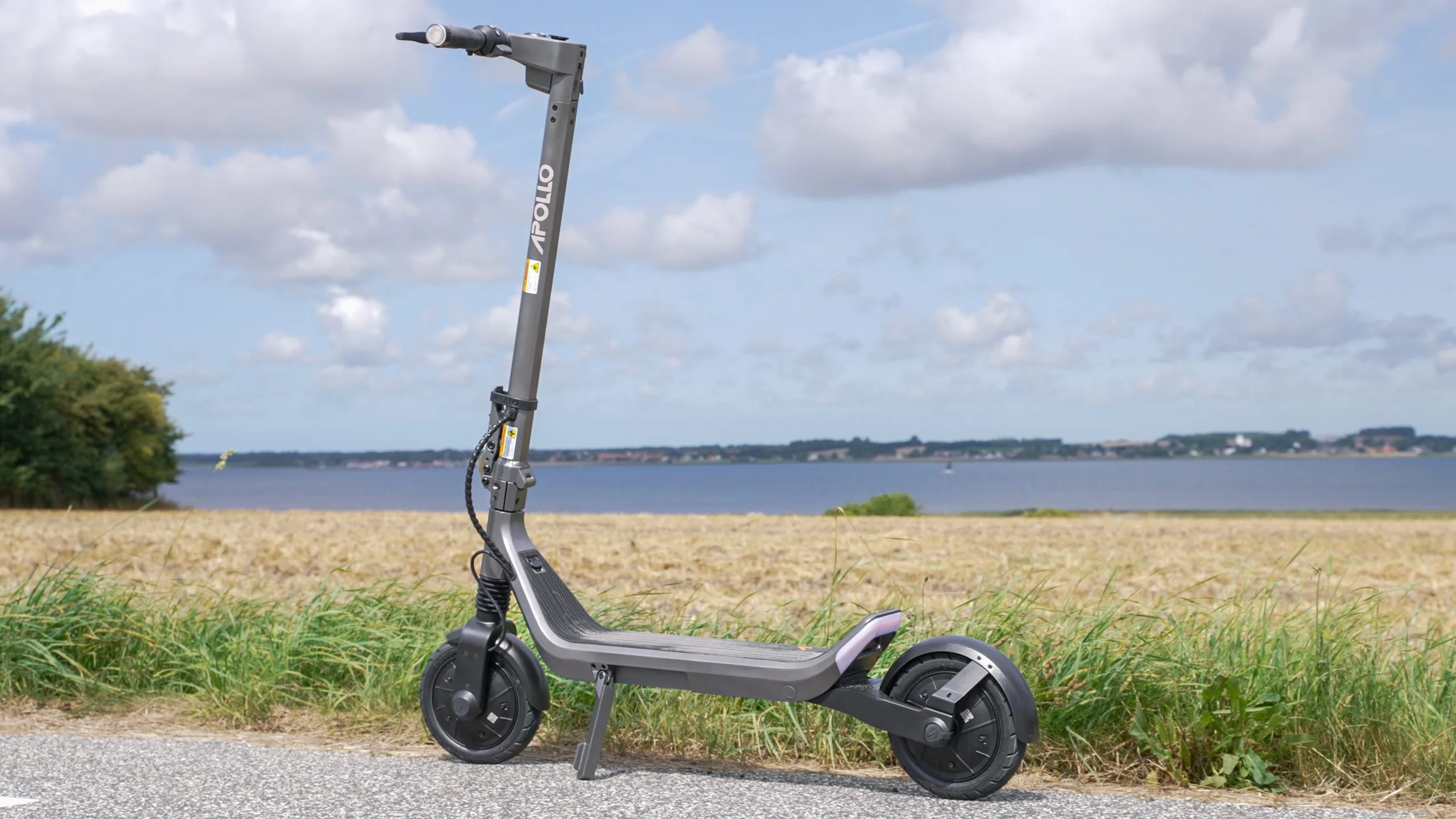
What I like
- Dual motors in a 46 lb package
- Exceptional acceleration and hill climbing
- Full suspension (front spring, rear rubber)
- Pre-sealed tubeless self-healing tires
- Turn signals, IP66 weather resistance
- Deep app customization (acceleration, regen, speed modes)
- Phone-as-display option via Quad Lock
What I don't like
- 36V system loses power at low battery
- Folding mechanism not as refined as NIU's
- 9" tires (smaller than ideal)
- Range limited for a dual-motor (19.8 miles)
The Apollo Go is what happens when you pack dual-motor performance into a scooter you can still carry. At 46 lbs, it’s the lightest full-suspension dual-motor scooter on the market.
I hit 26.7 mph and 3.89 seconds to 15 mph. Those are performance numbers that compete with scooters 10-20 lbs heavier. On my steepest 17% test hill, the Go maintained 12 mph, which is by far the best hill performance I’ve measured in any scooter under 50 lbs. If your commute has serious hills, this is where dual motors earn their keep.
The front spring and rear rubber suspension create a surprisingly plush ride for the weight. Not quite at the level of the commuter picks above, still genuinely comfortable. The 9-inch pre-sealed tubeless tires are smaller than I’d prefer, but they handle wet roads and rough patches well. Braking at 12.3 feet is safe, and the drum plus regen combo is virtually maintenance-free with exceptionally smooth regen response.
The main weakness is the 36V system. Top speed drops to about 25 mph at 50% battery and 23 mph at 20%. For most riders and most commutes, that won’t matter, but it’s there. Range at 19.8 miles is also modest for the battery size since dual motors consume more power. If you need ≈25 miles per charge, the KQi Air above actually delivers more range at nearly half the weight.
But range and voltage efficiency aren’t the Go’s job. Its job is giving you real power, real hill climbing, and real suspension in a scooter you can still haul up a flight of stairs. Nothing else does that this well at this weight. On a personal note, it’s also one of the most fun scooters to ride.
Best High-End Scooters
Nami Burn-E 2 Max
Best Street Hyperscooter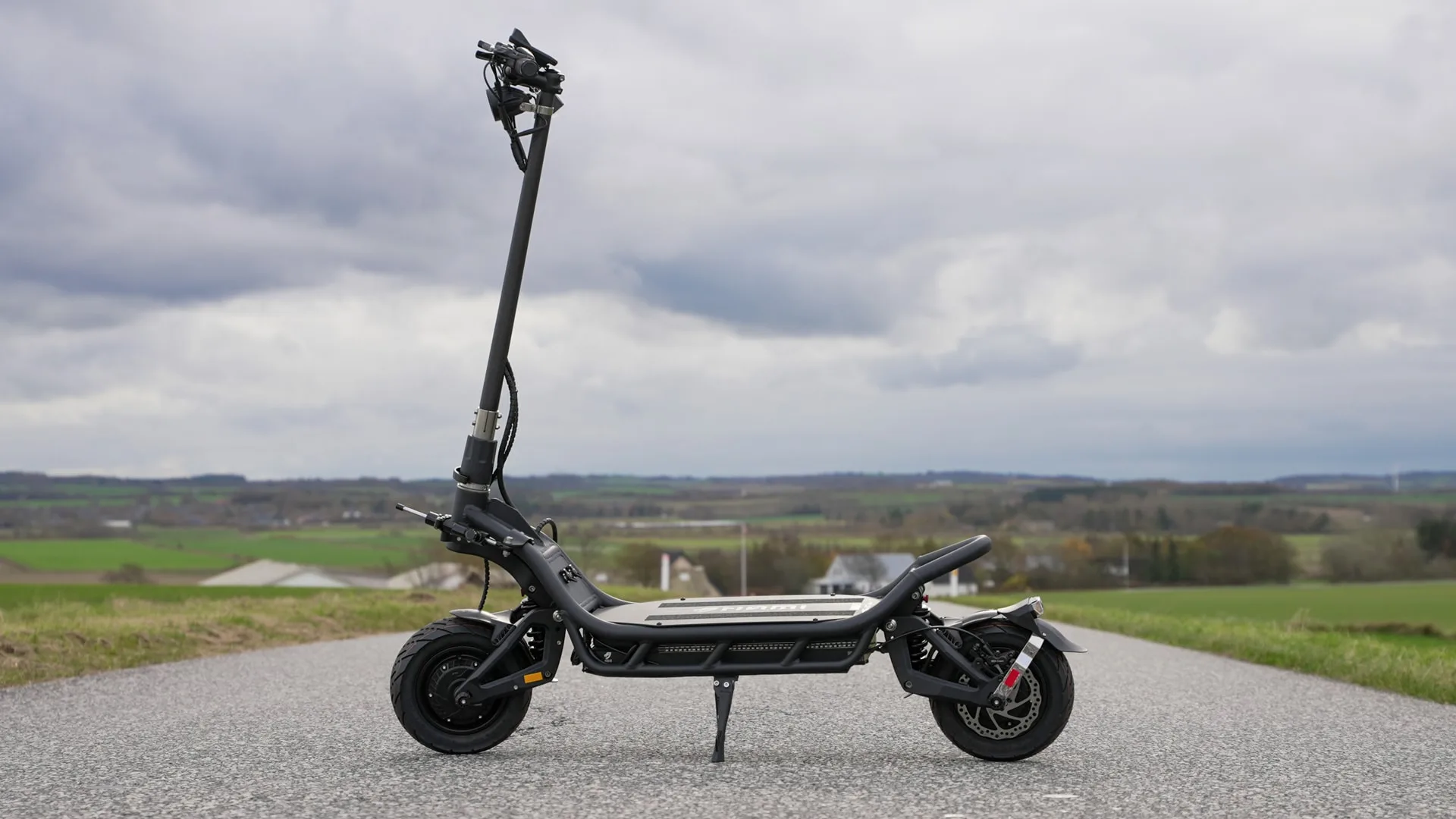
What I like
- 60+ mph top speed, 59.8-mile tested range
- Dual hydraulic adjustable suspension (highly tunable)
- Steering damper for stability at speed
- 72V system with LG cells
- Lightest in this tier at 103 lbs
- 11" tubeless tires
- Dual hydraulic disc brakes
What I don't like
- Very expensive
- 103 lbs (not portable in any practical sense)
- No app connectivity
- No self-healing tires
The Burn-E 2 Max is the most impressive street scooter I’ve tested. The dual 1500W motors on a 72V system deliver acceleration that’s hard to describe. 1.7 seconds to 15 mph, 3.9 seconds to 30 mph, and a tested top speed of 61.2 mph. The massive 2880 Wh battery delivered 59.8 miles of real-world range, making genuine long-distance adventures possible.
But raw numbers aren’t what make the Nami special. It’s the refinement. The dual hydraulic suspension is highly tunable, letting you dial in the exact ride feel you want. Combined with the steering damper, it stays composed and predictable even at speeds where most scooters start to feel sketchy. The 11-inch tubeless tires and dual hydraulic Logan disc brakes give you the grip and stopping power to match the performance. At 103 lbs, it’s also the lighter of these two picks (still truly heavy), which matters when you’re maneuvering it into storage.
There’s nothing I’d change for its intended purpose. If you want the peak of on-road performance, range, and suspension tuning in a production scooter, this is it.
Kaabo King GTR
Best Off-Road Hyperscooter
What I like
- Built for off-road (long-travel suspension, high ground clearance)
- Highest top speed tested (66 mph)
- Most powerful here (dual 2000W, 13440W peak)
- 12" self-healing tubeless tires
- 330 lb max load
- Dual hydraulic disc brakes
- Smooth throttle control for technical terrain
What I don't like
- 137 lbs (extremely difficult to handle off the scooter)
- Very expensive
- Overkill for street-only riding
The King GTR is the scooter you get when pavement is optional. Its design is built around off-road capability, with long-travel hydraulic suspension, extra high ground clearance, and massive 12-inch self-healing tubeless tires that roll over just about anything. The Nami is more of a high-speed road machine, but the GTR lives on trails, dirt, and rough terrain.
It’s also the most powerful scooter in this guide. Dual 2000W motors with 13440W peak power. I hit 66 mph in my tests and reached 15 mph in 1.5 seconds. But the throttle response off-road is something else. It’s so smooth and controllable on loose or technical terrain, and that matters way more than raw speed on a forest trail. The 330 lb max load and double-stem construction tell you this thing is built to take a beating.
At 137 lbs, the GTR is not something you maneuver casually. Getting it in and out of storage requires effort, and lifting it is a serious two-person job. If your riding is primarily on-road, the Nami does that better at 34 lbs less. But if you want maximum off-road capability, durability, and power, and portability is irrelevant, the King GTR is the ultimate choice.