
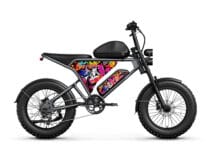
$699.99
15%
Puckipuppy Schnauzer
Fat Tire, Cruiser, 750W motor, Hub, 720 Wh battery, 84 lbs, Aluminum, Step-Over
Browse our database of 409 electric bikes. Filter and sort by the specs that matter to you, from motor and battery to class and weight, with prices pulled live from retailers and refreshed daily.
Fat Tire, Cruiser, 750W motor, Hub, 720 Wh battery, 84 lbs, Aluminum, Step-Over
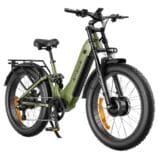
Mountain, Fat Tire, 1200W motor, Hub, 160 Nm torque, 960 Wh battery, 86 lbs, Aluminum
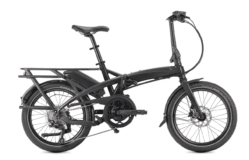
Folding, 250W motor, Mid-Drive, 75 Nm torque, 545 Wh battery, Aluminum, Folding
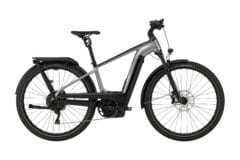
Commuter, Hybrid, 250W motor, Mid-Drive, 85 Nm torque, 750 Wh battery, Aluminum, Step-Over
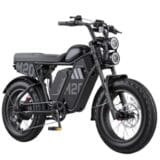
Fat Tire, High Performance, 750W motor, Hub, 120 Nm torque, 1200 Wh battery, 102 lbs, Aluminum
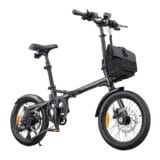
Folding, Commuter, 250W motor, Hub, 40 Nm torque, 360 Wh battery, 43 lbs, Steel
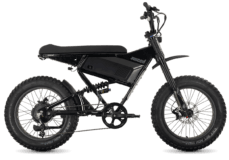
Fat Tire, Cruiser, High Performance, 750W motor, Hub, 90 Nm torque, 998 Wh battery, 85 lbs, Aluminum
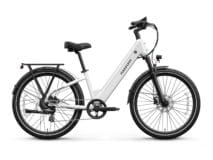
Commuter, 750W motor, Hub, 720 Wh battery, 63 lbs, Aluminum, Step-Through
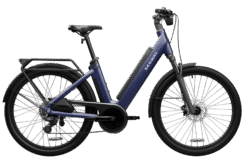
Commuter, Hybrid, 500W motor, Hub, 85 Nm torque, 722 Wh battery, 73 lbs, Aluminum
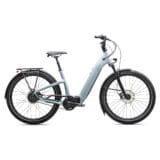
Cruiser, 250W motor, Mid-Drive, 70 Nm torque, 710 Wh battery, 62 lbs, Aluminum
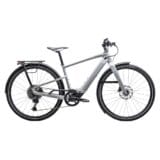
Hybrid, 250W motor, Mid-Drive, 50 Nm torque, 520 Wh battery, 44 lbs, Aluminum
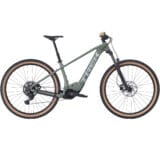
Mountain, 250W motor, Mid-Drive, 50 Nm torque, 400 Wh battery, Aluminum, Step-Over
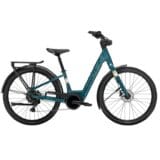
Hybrid, 250W motor, Mid-Drive, 50 Nm torque, 400 Wh battery, 52 lbs, Aluminum
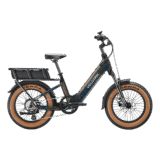
Cargo, Fat Tire, 750W motor, Hub, 85 Nm torque, 802 Wh battery, 77 lbs, Aluminum
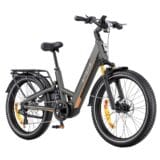
Mountain, Fat Tire, 250W motor, Mid-Drive, 100 Nm torque, 720 Wh battery, 75 lbs, Aluminum
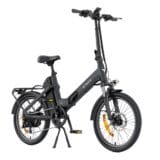
Folding, Commuter, 250W motor, Hub, 75 Nm torque, 720 Wh battery, 58 lbs, Aluminum
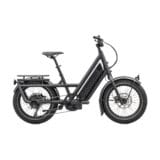
Cargo, 700W motor, Hub, 90 Nm torque, 772 Wh battery, 77 lbs, Aluminum
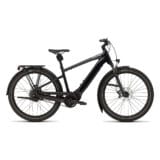
Hybrid, 250W motor, Mid-Drive, 90 Nm torque, 710 Wh battery, 60 lbs, Aluminum
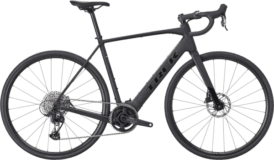
Road, 250W motor, Mid-Drive, 60 Nm torque, 360 Wh battery, 32 lbs, Aluminum
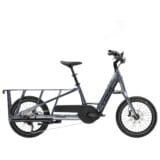
Cargo, 250W motor, Mid-Drive, 85 Nm torque, 500 Wh battery, 68 lbs, Aluminum
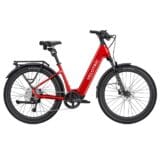
Commuter, Hybrid, 750W motor, Hub, 75 Nm torque, 730 Wh battery, 65 lbs, Aluminum
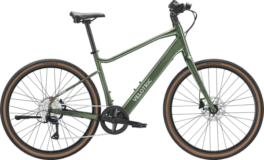
Commuter, Gravel, Hybrid, 350W motor, Hub, 45 Nm torque, 374 Wh battery, 39 lbs, Aluminum
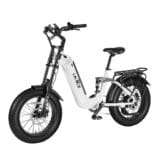
Commuter, Mountain, Fat Tire, Hybrid, 750W motor, Hub, 85 Nm torque, 960 Wh battery, 78 lbs, Aluminum
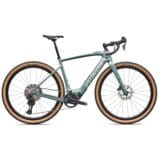
Gravel, 250W motor, Mid-Drive, 50 Nm torque, 320 Wh battery, 30 lbs, Carbon Fiber
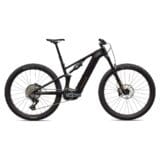
Mountain, 250W motor, Mid-Drive, 105 Nm torque, 840 Wh battery, 47 lbs, Carbon Fiber
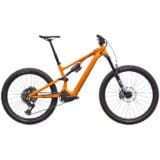
Mountain, 250W motor, Mid-Drive, 50 Nm torque, 320 Wh battery, 45 lbs, Aluminum
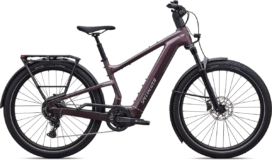
Hybrid, 250W motor, Mid-Drive, 105 Nm torque, 840 Wh battery, 63 lbs, Aluminum
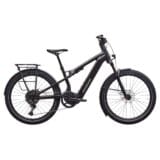
Hybrid, 250W motor, Mid-Drive, 105 Nm torque, 840 Wh battery, 68 lbs, Aluminum
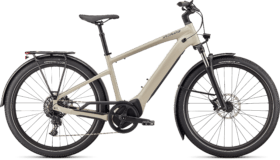
Hybrid, 250W motor, Mid-Drive, 70 Nm torque, 710 Wh battery, 58 lbs, Aluminum
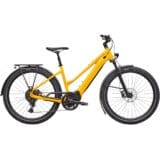
Hybrid, 250W motor, Mid-Drive, 70 Nm torque, 710 Wh battery, Aluminum, Step-Through
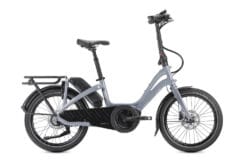
Cargo, 250W motor, Mid-Drive, 50 Nm torque, 400 Wh battery, 52 lbs, Aluminum
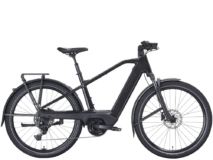
Hybrid, 250W motor, Mid-Drive, 85 Nm torque, 540 Wh battery, 68 lbs, Aluminum
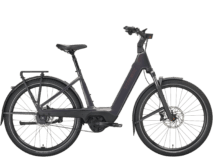
Hybrid, 250W motor, Mid-Drive, 85 Nm torque, 800 Wh battery, Aluminum, Step-Through
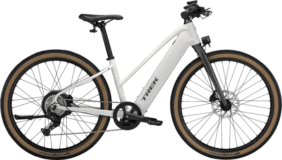
Hybrid, 500W motor, Hub, 60 Nm torque, 520 Wh battery, 49 lbs, Aluminum
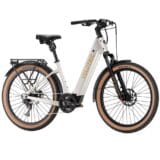
Commuter, Hybrid, 500W motor, Mid-Drive, 100 Nm torque, 802 Wh battery, 66 lbs, Aluminum
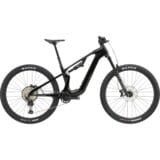
Mountain, 250W motor, Mid-Drive, 60 Nm torque, 430 Wh battery, Carbon Fiber, Step-Over
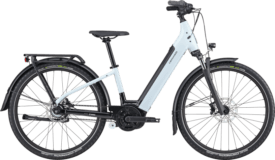
Commuter, 250W motor, Mid-Drive, 50 Nm torque, 500 Wh battery, Aluminum, Step-Through
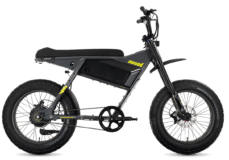
Fat Tire, Cruiser, High Performance, 750W motor, Hub, 90 Nm torque, 998 Wh battery, 83 lbs, Aluminum
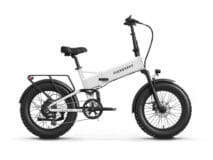
Folding, Fat Tire, 750W motor, Hub, 720 Wh battery, 83 lbs, Aluminum, Folding
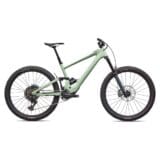
Mountain, 250W motor, Mid-Drive, 50 Nm torque, 320 Wh battery, 45 lbs, Carbon Fiber
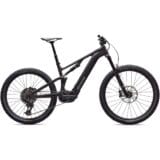
Mountain, 250W motor, Mid-Drive, 105 Nm torque, 840 Wh battery, 54 lbs, Aluminum
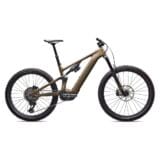
Mountain, 250W motor, Mid-Drive, 105 Nm torque, 840 Wh battery, 54 lbs, Carbon Fiber
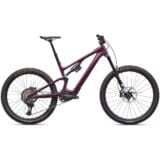
Mountain, 250W motor, Mid-Drive, 50 Nm torque, 320 Wh battery, 42 lbs, Carbon Fiber
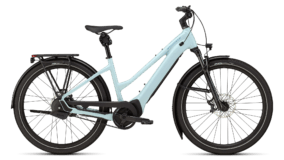
Hybrid, 250W motor, Mid-Drive, 90 Nm torque, 710 Wh battery, 61 lbs, Aluminum
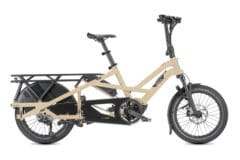
Cargo, 250W motor, Mid-Drive, 85 Nm torque, 500 Wh battery, 76 lbs, Aluminum
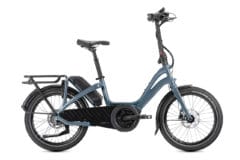
Cargo, 250W motor, Mid-Drive, 65 Nm torque, 500 Wh battery, 52 lbs, Aluminum
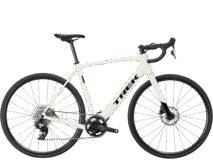
Road, 250W motor, Mid-Drive, 60 Nm torque, 360 Wh battery, 29 lbs, Aluminum
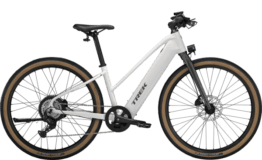
Hybrid, 500W motor, Hub, 60 Nm torque, 520 Wh battery, 49 lbs, Aluminum
No products match your filters.
This is the most complete e-bike database we could build. Over 300 models from around 30 brands, full specs on every one, and live prices pulled from more than 30 retailers and refreshed every day, so when you find the right bike you also know what it should cost.
New to e-bikes? Answer the quick questions at the top and we narrow the list to bikes that fit how you ride. Already know what you want? Open the filters and sort by what matters to you, like battery capacity, e-bike class, top speed, torque, motor type and weight. Any choice that would leave you with no matches greys out as you pick, so you never hit a dead end.
Found one you like? Shortlist a few and compare them head to head before you buy. One tip while you compare. Claimed range is the most optimistic number on any spec sheet, so lean on battery capacity in watt hours instead. We list it for every bike, and more watt hours means more real range.
The class tells you how fast the motor helps and whether there is a throttle. Class 1 is pedal-assist up to 20 mph with no throttle. Class 2 adds a throttle that moves the bike up to 20 mph without pedaling. Class 3 is pedal-assist up to 28 mph, the quickest of the three for keeping pace with traffic, and usually has no throttle above 20 mph.
Where each class is allowed comes down to local rules, which vary by state and even by city and often cover bike paths, age limits and helmets. Class 1 is accepted in the most places. Class 3 is often road and bike-lane only, and some paths ban throttles entirely. Check the rules where you ride before you buy, because they decide which class works for you.
Pedal-assist only adds power while you pedal, so it feels like a stronger version of you. A throttle drives the bike whether you pedal or not, like a scooter, which helps for pulling away from a stop, carrying a load or resting your legs.
About half the bikes here have a throttle. If range matters, pedal-assist stretches it further, since a throttle drains the battery faster, generally caps at 20 mph by law, and is restricted in more places. Decide how you want to ride, then require a throttle or filter it out in the finder.
Flat commute and tight budget, get a hub motor. Real climbs or trail riding, get a mid-drive. A hub motor sits in the wheel and is simpler, quieter and cheaper. A mid-drive sits at the cranks and drives through the gears, so it climbs far better and feels more natural to pedal, though it costs more.
The number that decides climbing is torque in newton meters, not wattage. Bikes here run roughly 50 to 105 Nm, and more torque means easier hills and stronger starts. Filter by motor type or set a torque floor to match your terrain.
Less far than the spec sheet says. Claimed range is a best case from the lowest assist, a light rider and flat ground. Your real range drops with higher assist, hills, wind, rider weight and throttle use, often to two thirds of the claim or less. Treat the number as a ceiling, not a promise.
Compare on battery capacity in watt hours instead, which we list for every bike. More watt hours means more range under the same conditions. Plan for roughly 20 to 30 watt hours per mile, so a 500 Wh pack covers real ground and a 720 Wh or larger pack gives you cushion. Sort by capacity to line bikes up fairly.
The type of bike sets the budget more than anything else. Folding and fat-tire bikes start cheaper, often under 1,500 dollars. Full-suspension mountain, road and gravel bikes climb past 3,000 dollars. The median bike in our catalog is around 2,200 dollars.
Set the price filter to your ceiling first, then see what is actually available for the riding you have in mind. If your budget and your dream category do not line up, the finder greys out the impossible combos instead of sending you down a dead end. Our value filters then surface the most capable bike for the money in any range, and our electric bike deals page collects the strongest current prices across retailers. Shortlist a few and compare them side by side before you buy.
Start with how you will actually ride, because the use-case category is the strongest filter we have. Commuting, trail riding, hauling kids or groceries, and long road miles all point to very different bikes, so picking the type narrows the field fast. Then set a budget you are comfortable with.
Now layer in the two or three specs that matter for your riding. A torque floor if you climb hills, a watt-hour minimum if you ride far, a weight cap if you carry the bike upstairs. Shortlist a handful and put them side by side in our compare tool before you commit. Spec sheets only go so far, so read owner feedback and watch a ride review or two before you decide.