
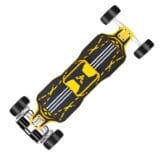
$1,799.00
9%
Acedeck Ares X5 (2WD)
43 MPH, 1332 Wh battery, 160mm wheels
Browse our database of 249 electric skateboards. Filter and sort by the specs that matter to you, from terrain and motor type to speed, range, battery and weight, with prices pulled live from retailers and refreshed daily.
43 MPH, 1332 Wh battery, 160mm wheels
28 MPH, 518 Wh battery, 21 lbs, 32.0" deck length, 85mm wheels
31 MPH, 648 Wh battery, 3000W motor, 29 lbs, 165mm wheels
37 MPH, 1620 Wh battery, 40 lbs, 175mm wheels
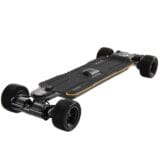
40 MPH, 972 Wh battery, 12000W motor, 39.4" deck length, 160mm wheels
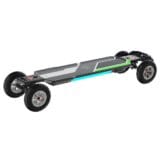
37 MPH, 648 Wh battery, 35 lbs, 175mm wheels
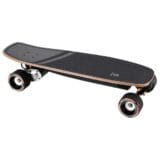
38 MPH, 504 Wh battery, 22 lbs, 31.0" deck length, 105mm wheels
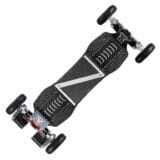
37 MPH, 1036 Wh battery, 7000W motor, 41 lbs, 200mm wheels
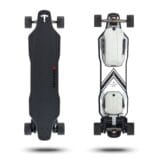
31 MPH, 504 Wh battery, 3000W motor, 27 lbs, 39.0" deck length, 105mm wheels
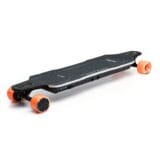
28 MPH, 864 Wh battery, 1210W motor, 29 lbs, 85mm wheels
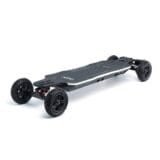
34 MPH, 864 Wh battery, 33 lbs, 175mm wheels
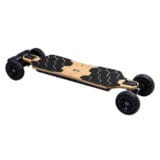
28 MPH, 432 Wh battery, 26 lbs, 37.6" deck length, 155mm wheels
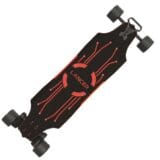
31 MPH, 504 Wh battery, 27 lbs, 39.3" deck length, 105mm wheels
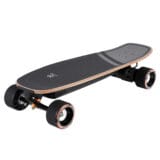
38 MPH, 504 Wh battery, 22 lbs, 31.0" deck length, 105mm wheels
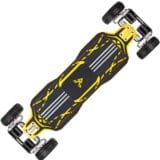
43 MPH, 1036 Wh battery, 180mm wheels

38 MPH, 1184 Wh battery, 58 lbs, 39.2" deck length, 200mm wheels
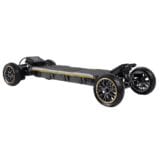
43 MPH, 2368 Wh battery, 70 lbs, 39.2" deck length, 200mm wheels
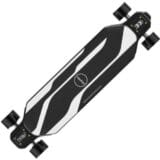
37 MPH, 415 Wh battery, 3600W motor, 24 lbs, 38.0" deck length, 107mm wheels
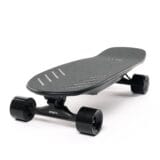
25 MPH, 99 Wh battery, 14 lbs, 75mm wheels
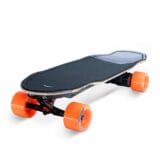
25 MPH, 99 Wh battery, 15 lbs, 30.3" deck length, 85mm wheels
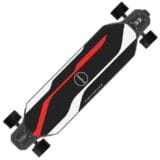
28 MPH, 158 Wh battery, 1300W motor, 20 lbs, 38.0" deck length, 90mm wheels
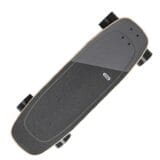
28 MPH, 324 Wh battery, 1600W motor, 19 lbs, 30.0" deck length, 90mm wheels
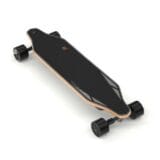
28 MPH, 216 Wh battery, 1100W motor, 18 lbs, 38.0" deck length, 90mm wheels
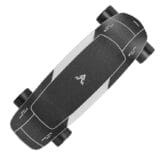
31 MPH, 518 Wh battery, 21 lbs, 32.0" deck length, 105mm wheels
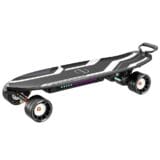
28 MPH, 346 Wh battery, 1800W motor, 19 lbs, 107mm wheels

28 MPH, 324 Wh battery, 1600W motor, 20 lbs, 38.1" deck length, 90mm wheels
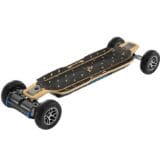
40 MPH, 1036 Wh battery, 36 lbs, 180mm wheels
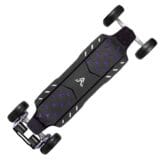
37 MPH, 1036 Wh battery, 39 lbs, 38.0" deck length, 180mm wheels
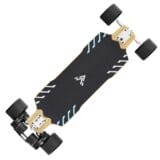
37 MPH, 518 Wh battery, 3000W motor, 27 lbs, 32.3" deck length, 125mm wheels
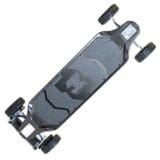
35 MPH, 726 Wh battery, 29 lbs, 41.0" deck length
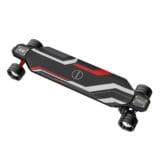
28 MPH, 345 Wh battery, 1300W motor, 20 lbs, 38.0" deck length, 90mm wheels
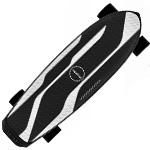
28 MPH, 158 Wh battery, 1300W motor, 16 lbs, 32.8" deck length, 90mm wheels
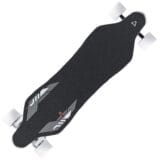
34 MPH, 648 Wh battery, 24 lbs, 38.6" deck length, 90mm wheels
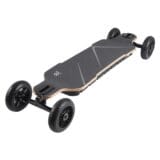
34 MPH, 1008 Wh battery, 5000W motor, 35 lbs, 38.0" deck length, 165mm wheels
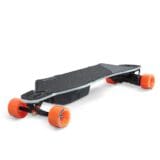
31 MPH, 345 Wh battery, 21 lbs, 56mm wheels
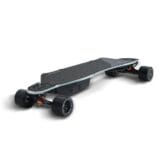
28 MPH, 346 Wh battery, 21 lbs, 56mm wheels
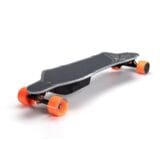
28 MPH, 432 Wh battery, 21 lbs, 38.3" deck length, 85mm wheels
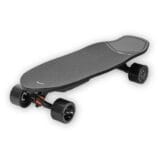
24 MPH, 99 Wh battery, 15 lbs, 30.3" deck length, 85mm wheels
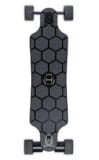
26 MPH, 374 Wh battery, 3200W motor, 23 lbs, 37.0" deck length, 97mm wheels
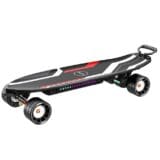
37 MPH, 415 Wh battery, 2400W motor, 20 lbs, 107mm wheels
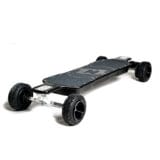
35 MPH, 1693 Wh battery, 39 lbs, 41.0" deck length, 178mm wheels
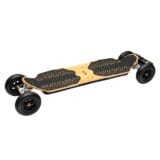
32 MPH, 864 Wh battery, 36 lbs, 39.8" deck length, 175mm wheels
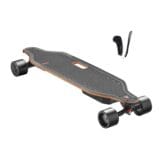
28 MPH, 144 Wh battery, 1000W motor, 18 lbs, 38.1" deck length, 90mm wheels
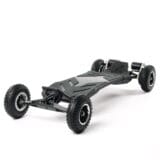
39 MPH, 1036 Wh battery, 40 lbs, 36.3" deck length, 200mm wheels
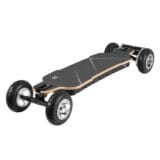
37 MPH, 1008 Wh battery, 7000W motor, 35 lbs, 38.0" deck length, 175mm wheels
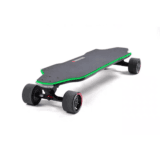
26 MPH, 216 Wh battery, 800W motor, 17 lbs, 38.0" deck length, 96mm wheels

15 MPH, 99 Wh battery, 350W motor, 10 lbs, 27.0" deck length, 75mm wheels
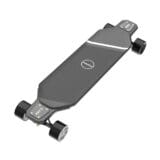
24 MPH, 158 Wh battery, 1300W motor, 21 lbs, 90mm wheels
No products match your filters.
We built the most comprehensive electric skateboard database we could, with over 240 models from more than 25 brands and the full specs on every one. We also pull live prices daily from retailers, so you always see the current best price before you buy.
Sort and filter by whatever matters to you, from motor type and drive to top speed, range, battery capacity and weight. Not sure where to start? Answer the quick questions at the top and we will narrow things down for you. Our value filters also show which boards give you the most for your money, recalculated as prices change.
Pick by where you actually ride. If that is pavement, bike lanes and tidy city streets, get a street board. Small smooth urethane wheels make it lighter, cheaper and easier to carry, which is why most first-time riders and commuters start here. If your ground is rough or you want to leave the pavement, get all-terrain. Big air-filled or rubber wheels roll over cracks, gravel, grass and packed dirt that a street board cannot handle, at the cost of more weight and a higher price.
Plan around the price gap. Most street boards sit under 1,000 dollars and most all-terrain boards land above it, so budget for the rougher option from the start if you need it. If you are torn, many geared boards let you swap wheels later, so you can start on the street and add all-terrain wheels when your riding changes. For our picks in each style, see the best electric skateboards.
Choose hub if you want a calm, low-fuss ride, and geared if you want speed, hills or off-road grip. Hub motors sit inside the wheels, so they are quiet, nearly maintenance free and easy to live with, but they have less torque, a modest top speed and fixed wheels you cannot change. Geared systems put the motor outside the wheel, which gives you stronger torque, better hill climbing, higher top speeds and the option to swap on bigger all-terrain wheels.
The trade with geared boards is a little more upkeep, like the occasional belt change, and a bit more noise. That is the price of the extra performance. If raw speed matters to you, the choice is basically made, because almost every board in our data that breaks 35 mph is geared rather than hub.
Less than you think. The median board claims around 30 mph, plenty push past 35 and the quickest reach the mid-40s, but those are optimistic manufacturer figures and a beginner does not need anywhere near the top of that range. Around the mid-20s in mph is genuinely quick on a skateboard and far easier to control while you learn, and many boards let you cap the top speed with a beginner mode until you build confidence. A 40 mph board you only ride at half throttle is just expensive extra weight.
Whatever you ride, gear up first. A helmet is non-negotiable at any speed, and wrist guards save a lot of grief in the early weeks when most falls happen. Match the board to where and how you will actually ride, not to the headline number on the spec sheet.
Because claimed range is a best case. It is measured with a light rider on flat smooth ground at a steady moderate pace, and add hills, cold, a heavier rider, faster riding or rough terrain and the real number often lands around two thirds of the claim or less. Plan for roughly two thirds and you will rarely be caught short.
To compare honestly, look at battery capacity in watt hours instead of claimed range. Watt hours measure the energy actually on board, so a bigger number means more potential distance no matter the brand, while range claims flatter one maker over another. Our boards run from a few hundred watt hours on small commuters to over 1,000 on long-range builds. When two boards quote similar range but one carries a noticeably bigger battery, the bigger battery is the one that goes the distance.
For a first board, a good street board well under 1,000 dollars is the sweet spot. The median board in our database sits around 900 dollars and prices run from under 500 to well over 2,000, with all-terrain and genuinely fast boards generally starting above 1,000. So let the riding decide the budget. Smooth-ground commuting can stay cheap, while rough terrain and high speed cost more.
Cheap boards can be perfectly fine for short flat commutes and learning the basics, and there are honest options under 500. Just know you are usually giving up range, hill power, build quality and the option to upgrade, and be wary of unbranded bargains with no support or spare parts. The value filters in the finder are built for this exact question, surfacing the boards with the most performance per dollar in each tier, and our electric skateboard deals page rounds up the strongest current prices. When you have a few candidates, put them side by side before you commit.
For almost everyone, 2WD is the right answer. Two motors are the standard across the catalog, including most fast and all-terrain boards, and they give you plenty of power, control and braking without thinking about it. 4WD puts a motor in all four wheels for serious torque, traction and hill-climbing grip, but it is a premium choice aimed at heavy off-road and high-performance riding.
The extra motors are not free. 4WD costs more, weighs more and drains the battery faster, so it only earns its place if you are tackling steep loose hills, sand or rough trails and want every bit of grip you can get. If that is not you, 2WD is the smarter buy, and the one we would point a first-time buyer toward.